In an era where health information is abundant yet often confusing or contradictory, Tampa Bay Medical Research (TBMR) has emerged as a trusted source of evidence-based health education in the Clearwater and Tampa Bay community. Through comprehensive educational outreach programs, free health screenings, expert-led workshops, and community engagement initiatives, TBMR goes beyond its role as a clinical research Tampa facility to become a vital resource for public health knowledge and disease prevention.
Understanding that informed communities make better health decisions, TBMR’s educational events serve the general public, healthcare professionals, and at-risk populations with accessible, scientifically accurate information about prevalent health conditions, preventive measures, and emerging treatment options. These health education events in Clearwater represent TBMR’s commitment to improving community health outcomes through knowledge sharing and early disease detection.
The Foundation: Free Liver Health Screening Program
TBMR’s flagship educational initiative centers on liver health awareness—a critical yet often overlooked aspect of overall wellness. The free liver screening program addresses an alarming statistic: Metabolic dysfunction-associated steatotic liver disease (MASLD), formerly known as fatty liver disease, affects approximately one in three Americans, yet most remain undiagnosed until significant damage has occurred.
FibroScan Technology: Advanced Screening Made Accessible
Using state-of-the-art FibroScan technology, TBMR provides non-invasive liver screening tests that assess liver stiffness and fat content without needles, blood draws, or invasive procedures. This painless, quick examination—taking just minutes to complete—provides comprehensive information about liver health that would traditionally require expensive imaging or invasive biopsy procedures.
The fibroscan test near me searches that bring community members to TBMR reflect growing awareness of liver disease risks associated with obesity, diabetes, high cholesterol, and metabolic syndrome. By eliminating cost barriers and making advanced diagnostic technology accessible, TBMR enables early detection when interventions are most effective.
Participants receive detailed screening reports that quantify liver fat percentage, assess fibrosis levels indicating scarring or damage, provide comparative data against healthy baselines, and offer clear guidance on next steps for health protection. These reports become valuable tools for discussions with primary care physicians, enabling informed decision-making about lifestyle modifications or medical interventions.
Educational Component of Liver Screenings
Beyond the diagnostic value, each liver fibrosis scan includes educational counseling about liver disease risk factors, progression pathways, lifestyle modifications for disease prevention and reversal, available treatment options including clinical trials, and the importance of ongoing monitoring.
TBMR staff members explain that conditions like Metabolic Dysfunction-Associated Steatohepatitis (MASH) and cirrhosis develop gradually, often without symptoms until advanced stages. Understanding this progression empowers individuals to take preventive action before irreversible damage occurs. The educational approach transforms a simple screening into a comprehensive health awareness experience.
Impact on Community Health
Since initiating the liver health awareness program in 2021, TBMR has identified numerous community members with previously undiagnosed liver conditions. Many participants report that the free liver screening motivated critical lifestyle changes—weight loss, dietary improvements, increased exercise, and medical follow-up—that prevented disease progression.
For individuals identified with significant liver damage, the screening often serves as a gateway to fatty liver clinical trials that provide access to innovative treatments years before they become commercially available. This connection between education, screening, and treatment access exemplifies TBMR’s comprehensive approach to community health improvement.
Community Health Fairs and Public Engagement
TBMR actively participates in health fairs, community expos, and public gatherings throughout the Tampa Bay area, bringing health education directly to diverse populations who might not otherwise access such information.
Interactive Educational Booths
At community events, TBMR establishes interactive booths featuring educational materials about various health conditions, information about clinical research Tampa FL opportunities, demonstrations of non-invasive screening technologies, and opportunities for one-on-one discussions with research coordinators and health educators.
These informal settings allow community members to ask questions without the pressure of medical appointments, learn about health conditions in accessible language, discover how paid research studies Tampa contribute to medical advancement, and understand their potential role in improving treatments for future generations.
The hands-on nature of health fair participation—allowing people to see FibroScan equipment, review sample screening reports, or discuss their personal health concerns—creates engagement that passive information distribution cannot achieve. Attendees leave with practical knowledge they can immediately apply to their health decisions.
Targeted Outreach to At-Risk Populations
TBMR’s community engagement specifically targets populations at elevated risk for conditions under study. For liver disease, this includes individuals with obesity or metabolic syndrome, type 2 diabetes patients, people with high cholesterol or triglycerides, those with family histories of liver disease, and Hispanic and Asian populations with higher genetic predisposition.
By meeting these communities where they gather—churches, community centers, cultural festivals, senior centers—TBMR removes barriers of transportation, cost, and cultural unfamiliarity that prevent many at-risk individuals from accessing health information and preventive services.
Expert-Led Workshops and Seminars
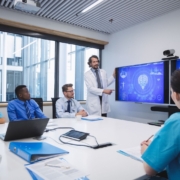
Beyond informal community engagement, TBMR hosts structured educational sessions that provide in-depth exploration of specific health topics, emerging research findings, and disease management strategies.
Topics Addressing Prevalent Health Concerns
Workshop topics align with common health challenges facing Tampa Bay communities and conditions featured in current clinical studies in Florida, including understanding and preventing fatty liver disease, managing type 2 diabetes and metabolic health, cardiovascular disease prevention and control, navigating menopause and hormone health, addressing obesity through evidence-based approaches, and understanding the clinical research process and patient participation benefits.
Each session combines scientific information with practical application, ensuring attendees gain both knowledge and actionable strategies for health improvement. Presentations use clear language, visual aids, and interactive elements that make complex medical information accessible to general audiences without oversimplifying critical concepts.
Healthcare Professional Education
Recognizing that physicians, nurses, and allied health professionals serve as primary health information sources for their patients, TBMR offers specialized educational sessions for healthcare providers about emerging treatment protocols and research findings, patient referral processes for clinical research facilities near me, collaborative care models between clinical practice and research, and continuing medical education on specific disease management topics.
These professional development opportunities enhance the medical community’s collective knowledge while establishing referral relationships that connect appropriate patients with trial studies near me opportunities. Healthcare providers gain confidence referring patients to clinical research when they understand the rigorous safety protocols, comprehensive monitoring, and potential benefits these studies provide.
Expert Speakers and Credible Information
TBMR’s educational events feature presentations by qualified medical professionals, experienced research coordinators, specialty physicians collaborating with TBMR, and occasionally, former study participants sharing their experiences. This diverse speaker roster provides multiple perspectives on health topics while maintaining scientific accuracy and credibility.
In an age of health misinformation, TBMR’s commitment to evidence-based information delivered by qualified experts serves as a valuable community resource. Attendees can trust that recommendations align with current medical research rather than unproven trends or commercial interests.
Informational Sessions on Clinical Research Participation
Many community members harbor misconceptions about clinical research viewing it as dangerous experimentation or believing participation is limited to people without other treatment options. TBMR’s educational outreach directly addresses these misunderstandings through transparent information about the clinical research process.
Demystifying Clinical Trials
Educational sessions explain that clinical trials represent carefully controlled research conducted under rigorous regulatory oversight, that patient safety remains the paramount concern throughout all research phases, that participants receive comprehensive medical monitoring often exceeding routine care standards, and that paid scientific studies compensate participants for time and travel while providing all study-related care at no cost.
By clarifying what clinical research entails, TBMR helps community members make informed decisions about participation. Understanding that research studies paid near me follow strict ethical guidelines and safety protocols reduces fear while highlighting how participation contributes to medical progress.
The TBMR Care Optimization Process
Educational presentations detail TBMR’s patient-centered approach, which includes thorough screening to ensure study appropriateness, comprehensive informed consent explaining all procedures and potential risks, regular monitoring throughout study participation, coordination with participants’ primary care physicians, and ongoing support from dedicated research coordinators.
This transparency builds trust and demonstrates that Tampa Bay Medical Research prioritizes participant welfare while advancing medical knowledge. Potential participants learn they can withdraw at any time, that all questions receive honest answers, and that their health and comfort remain primary concerns.
Real Patient Stories and Testimonials
Perhaps most powerfully, TBMR’s educational events often feature testimonials from previous research participants who share personal experiences. These real stories illustrate how clinical research Tampa participation benefited their health, the quality of care received during studies, their contribution to treatments that now help others, and the compensation that provided financial assistance during participation.
Hearing from peers who successfully participated in trial studies that pay reduces anxiety and provides relatable perspectives that clinical information alone cannot convey. These testimonials humanize the research process and demonstrate tangible benefits participation can provide.
Specialized Prevention Education Programs
Beyond disease-specific topics, TBMR’s educational initiatives address prevention strategies that reduce disease incidence across multiple conditions.
Preventing Fatty Liver Disease
Given that preventing fatty liver disease requires lifestyle modifications rather than medication for most people, TBMR’s educational programming emphasizes practical prevention strategies including maintaining healthy body weight through balanced nutrition, limiting alcohol consumption, managing diabetes and cholesterol effectively, engaging in regular physical activity, and avoiding hepatotoxic medications and supplements when possible.
Educational sessions provide specific, actionable guidance rather than generic health advice. Participants learn which dietary changes most effectively reduce fatty liver disease, realistic exercise goals for people at various fitness levels, how to read nutrition labels to identify hidden fats and sugars, and strategies for sustainable lifestyle changes rather than temporary diets.
Metabolic Health and Chronic Disease Prevention
Many conditions studied at TBMR—fatty liver disease, type 2 diabetes, cardiovascular disease, obesity—share common metabolic dysfunction roots. Educational programming addresses these interconnected health challenges holistically, explaining how improving one aspect of metabolic health benefits multiple systems, the role of inflammation in chronic disease development, early warning signs indicating metabolic dysfunction, and comprehensive approaches to metabolic health improvement.
This systems-based education helps community members understand their health comprehensively rather than viewing conditions as isolated problems requiring separate solutions.
Accessibility and Community Partnership
TBMR’s educational outreach succeeds because it prioritizes accessibility, removing barriers that prevent many people from accessing health information and preventive services.
Free Access to Information and Screening
All TBMR educational events and free liver screening services are provided without charge. This eliminates financial barriers that prevent underserved populations from accessing health education and preventive care. By investing in community health education, TBMR demonstrates commitment to public welfare beyond commercial interests.
Convenient Locations and Scheduling
Educational events occur at diverse community locations—libraries, community centers, senior facilities, churches, and cultural centers—ensuring geographic accessibility across the Tampa Bay area. Clearwater research facilities also welcome community members for scheduled educational sessions and liver screenings.
Flexible scheduling, including evening and weekend options, accommodates working individuals and families who cannot attend daytime events.
Multilingual Resources and Cultural Sensitivity
Recognizing Tampa Bay’s diverse population, TBMR provides educational materials in multiple languages and ensures staff members can communicate effectively with non-English speaking community members. Cultural sensitivity training helps staff understand and respect diverse health beliefs and practices while providing scientifically accurate information.
Partnership with Community Organizations
TBMR welcomes partnerships with service groups, civic organizations, religious institutions, senior centers, schools, and other community entities interested in hosting health education events. These collaborations extend TBMR’s reach into communities with established trust relationships, enhancing receptivity to health information and screening services.
Organizations interested in hosting educational events or learning more about TBMR’s community outreach can contact the research center to discuss partnership opportunities tailored to their community’s specific needs and interests.
Long-Term Impact on Community Health
TBMR’s sustained commitment to health education creates ripple effects throughout the Tampa Bay community that extend far beyond individual event participants.
Early Disease Detection and Intervention
Free screenings identify previously undiagnosed conditions when interventions are most effective. Early detection of fatty liver disease, for example, enables lifestyle modifications that can completely reverse the condition before permanent damage occurs. This prevention of disease progression reduces future healthcare costs while preserving quality of life.
Informed Health Decisions
Educated community members make better decisions about diet, exercise, preventive care, and medical treatment. Understanding disease risk factors and prevention strategies empowers individuals to take control of their health rather than passively accepting disease development as inevitable.
Reduced Healthcare Disparities
By providing free education and screening to underserved populations, TBMR helps reduce healthcare disparities that disproportionately affect minority and low-income communities. Access to information and preventive services regardless of insurance status or financial resources promotes health equity.
Advancement of Medical Research
Education about clinical research increases informed participation in high paying research studies that advance medical knowledge. Diverse study populations ensure research findings apply broadly across demographic groups, improving treatment effectiveness for everyone.
Join TBMR’s Community Health Education Initiative
Tampa Bay Medical Research’s commitment to public health education represents an investment in community wellness that extends far beyond the research facility near me walls. Through free screenings, expert-led workshops, community engagement, and accessible health information, TBMR empowers Tampa Bay residents with knowledge that transforms health outcomes.
Whether you’re concerned about specific health risks, interested in learning about disease prevention, curious about how clinical research in Florida advances medicine, or seeking free health screening services, TBMR’s educational programs provide trusted, evidence-based information in welcoming, accessible formats.
Frequently Asked Questions
Do I need to participate in clinical trials to attend educational events?
Absolutely not. Educational events are open to all community members regardless of whether they're interested in research studies near me participation. While TBMR provides information about clinical research opportunities, there is no pressure or expectation to enroll in studies. The educational mission exists independently of research recruitment.
How often does TBMR offer free liver screenings?
TBMR regularly offers liver screening at both Clearwater and Largo facilities, at community health fairs, and through scheduled screening events. Contact TBMR at (727) 724-3316 or visit the website to schedule a free screening appointment or learn about upcoming community screening events.
Who should get a liver health screening?
Anyone concerned about liver health can benefit from screening, but it's particularly important for individuals who are overweight or obese, have type 2 diabetes, have high cholesterol or triglycerides, consume alcohol regularly, have family history of liver disease, or belong to ethnic groups with higher fatty liver disease risk including Hispanic and Asian populations. The fibroscan test near me is painless and takes just minutes.
Can healthcare providers refer patients to TBMR's educational programs?
Yes, healthcare providers are encouraged to refer patients to TBMR's educational events and free screening services. These programs complement primary care by providing specialized education and early disease detection. Screening results are shared with patients' physicians to support collaborative care. Providers interested in learning more about referral processes can contact TBMR directly.
How can my organization host a TBMR health education event?
TBMR welcomes partnership opportunities with community organizations, service groups, churches, senior centers, and other entities interested in hosting health education events. Contact TBMR at studies@tbmr.net or (727) 724-3316 to discuss potential collaboration, topic preferences, and logistical arrangements. TBMR works flexibly to meet community needs.
What topics does TBMR cover in educational workshops?
Topics vary based on current clinical trials and community health needs but frequently include liver disease prevention and management, metabolic health and diabetes, cardiovascular disease prevention, obesity and weight management, understanding clinical research participation, and emerging treatment options for various conditions. Workshop schedules are posted on the TBMR website and promoted through community partners.
How does attending educational events benefit me if I'm healthy?
Prevention-focused education helps healthy individuals maintain their health and avoid developing chronic conditions. Learning about risk factors, early warning signs, and prevention strategies enables proactive health management. Additionally, understanding clinical research helps you make informed decisions should you ever face health challenges that might benefit from innovative treatments available through paid research studies.